

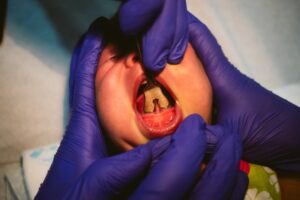
A frenectomy is a simple procedure that releases a tight or restrictive band of tissue—called a frenum—in the mouth. In children, this is often related to tongue-tie (ankyloglossia) or a lip tie, both of which can affect feeding, speech, and oral development. While not every child with a tie needs treatment, there are certain signs that may indicate a frenectomy could be beneficial.
1. Difficulty Breastfeeding or Bottle Feeding
One of the earliest signs of a tongue or lip tie appears during infancy. Babies may struggle to latch properly, make clicking sounds while feeding, or tire quickly. This can lead to poor weight gain or frustration during feeding.
Mothers may also experience discomfort or pain during breastfeeding due to an improper latch. If feeding challenges persist despite support, a restricted frenum may be the cause.
2. Speech Delays or Difficulties
As children grow, a tight frenum can limit tongue movement, making it harder to form certain sounds. You may notice difficulty with sounds like “t,” “d,” “l,” or “r,” or that your child’s speech is harder to understand compared to peers.
While not all speech issues are caused by a tongue tie, limited mobility can contribute to articulation problems. A speech evaluation, along with a dental or medical assessment, can help determine if a frenectomy is appropriate.
3. Trouble Sticking Out or Moving the Tongue
A visible sign of tongue-tie is restricted tongue movement. If your child cannot stick out their tongue past their lower teeth, lift it to the roof of their mouth, or move it side to side easily, it may be due to a tight frenum.
This limitation can affect not only speech but also eating and oral hygiene, as the tongue plays an important role in clearing food from the mouth.
4. Gaps Between Teeth or Gum Issues
A lip tie—where the tissue connecting the upper lip to the gums is too tight—can sometimes cause a gap between the front teeth. It may also contribute to gum irritation or make brushing and flossing more difficult as your child grows.
In some cases, a frenectomy can help improve oral function and reduce these issues, especially when combined with orthodontic care later on.
5. Ongoing Oral Discomfort or Habits
Children with a restrictive frenum may develop compensating habits, such as mouth breathing, thumb sucking, or difficulty chewing certain foods. They may also complain of discomfort when eating or speaking.
If these issues persist, it’s worth having your child evaluated to determine whether a frenectomy could improve their comfort and function.
A frenectomy is a quick, safe procedure that can make a meaningful difference in your child’s development and quality of life. If you notice signs like feeding difficulties, speech challenges, or limited tongue movement, a professional evaluation is the best next step.
About the Author
Dr. Nisha Mehta earned her dental degree from the University of Illinois Chicago, where she also completed her specialty training in pediatric dentistry. She has achieved the highest level of education in pediatric dentistry and is a Diplomate of the American Board of Pediatric Dentistry. Today, Dr. Mehta is certified in laser dental treatment and was named one of America’s Top Dentists! If your little one needs lip or tongue tie treatment, book online or call our Katy office at (281) 849-3003.