

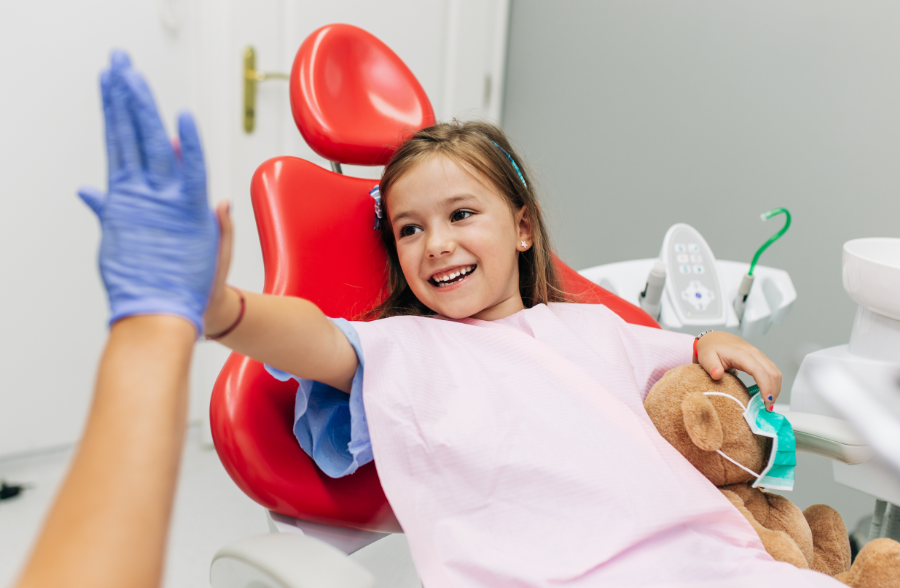
Dental sedation can make it easier for children to receive the care they need, especially if they experience dental anxiety or have difficulty sitting comfortably through treatment. While the procedure itself may be the biggest concern for parents, knowing what to expect afterward is just as important. With a little preparation and plenty of patience, you can help your child recover comfortably and safely.
Give Your Child Plenty of Time to Rest
Depending on the type of sedation used, your child may feel sleepy, groggy, or a little disoriented after their appointment. These effects are normal, particularly after oral or IV sedation, and may last for several hours.
Plan to spend the rest of the day at home so your child can relax in a comfortable, quiet environment. Avoid scheduling school, sports, playdates, or other demanding activities until they’ve fully recovered. Even if your little one seems energetic, their coordination and judgment may still be affected by the medication.
Keep a close eye on them, and don’t allow them to walk around, climb stairs, or play unsupervised while they’re still drowsy.
Offer Food and Drinks Gradually
Your child may not feel hungry immediately after sedation, and that’s okay! Once they’re fully awake, alert, and able to swallow comfortably, you can begin offering small amounts of water or other approved clear liquids.
Follow your dentist’s instructions about when and what your child can eat. When they’re ready for food, start with something light and easy to digest, such as applesauce, yogurt, or mashed potatoes. Avoid heavy meals until their appetite returns.
If your child also received local anesthesia, their mouth may remain numb for a while. Keep an eye on them to prevent accidental biting of their cheeks, lips, or tongue.
Watch for Unusual Symptoms
Some temporary side effects, including nausea, mild headaches, and grogginess, can occur after dental sedation. However, it’s important to monitor your child as the medication wears off.
Contact your dentist if your child experiences persistent vomiting, unusual discomfort, or symptoms that seem more severe than expected. Difficulty breathing, severe allergic reactions, or difficulty waking your child require immediate medical attention.
Don’t hesitate to seek help if something doesn’t seem right. It’s always better to ask questions than to wait and worry.
Follow Your Dentist’s Aftercare Instructions
Every child responds differently to sedation, and recovery depends on the medication and dosage used. Your dentist will provide specific instructions based on your child’s procedure and individual needs.
These recommendations may include guidelines for eating, drinking, brushing, rinsing, and taking any prescribed medications. Follow them carefully, and contact your dental team if you aren’t sure how to handle something.
If your child needs additional time to recover, be patient! A little extra rest and reassurance can make a big difference.
Help Your Child Feel Comfortable
Recovering from dental sedation doesn’t have to be stressful. With a calm environment, plenty of rest, and attentive supervision, you can help your child get back to feeling like themselves.
A little preparation goes a long way toward making recovery easier for the whole family!
About the Practice
Wellspring Pediatric Dentistry provides compassionate, personalized dental care for infants, children, and teens in Katy, TX. Led by Dr. Nisha Mehta and Dr. Ankur Patel, the practice offers a welcoming environment and a variety of pediatric dental services, including sedation dentistry. Their team is committed to helping young patients feel comfortable while building healthy smiles that last.
Call us at (281) 849-3003 or schedule your appointment online