

Pediatric Functional Dentistry Katy, TX
Functional Protection for Your Child’s Growing Smile
When it comes to treating your child’s smile, it’s important to consider more than just their teeth and gums. Functional dentistry aims to do just that, by honoring the connections between oral and overall health. Using a variety of all-natural and minimally invasive treatments, Dr. Mehta can protect your child’s growing smile all the while considering their body as a whole, including how their oral health can influence their overall wellbeing and vice versa.
Why Choose Wellspring Pediatric Dentistry for Functional Dentistry?
- Safe, Effective Nature-Based Treatments
- Options That Benefit the Entire Body
- Minimally Invasive
What Is Functional Dentistry?
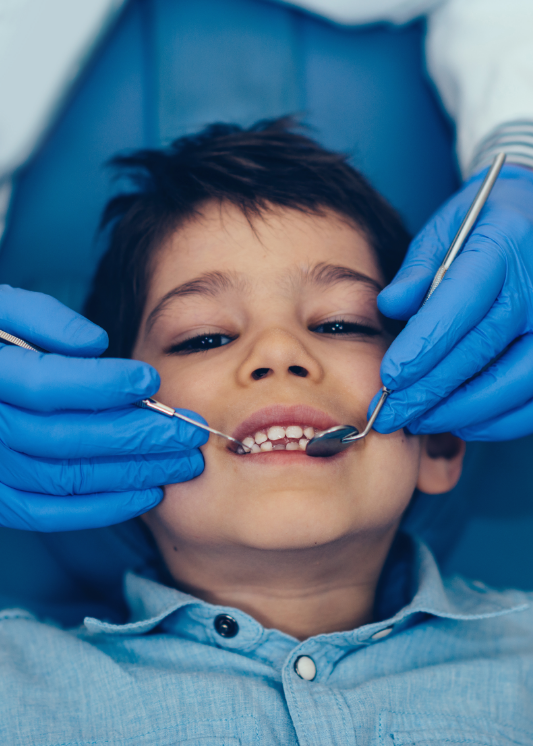
Functional dentistry is a special branch of oral health care that takes a whole-body approach to treatment. It considers not just the mouth, but how it affects the rest of the body and vice versa.
Because functional dentistry isn’t officially recognized as a specialty in the dental field, some dentists may define their style and treatment options differently. The words holistic, biologic, and functional can be used interchangeably, but all generally refer to overall wellness, not just that of the teeth and gums.
Functional dentistry is frequently associated with less invasive techniques and approaches to oral health care and even features its own unique procedures and technology.
Hydroxyapatite: An Effective Alternative to Fluoride

Since the 1940s, people around the world have relied on fluoride added to public water supplies to protect teeth from harmful, cavity-causing acids. Although perfectly safe at appropriate doses, Hydroxyapatite (HAP) is an effective fluoride alternative for children, offering many of the same benefits for their smiles.
What is Hydroxyapatite?

Hydroxyapatite is a fluoride alternative that is made of calcium phosphate, which already makes up 95 percent of your tooth enamel and 70 percent of your bones. It strengthens and rebuilds your child’s teeth and bones through its remineralizing properties.
HAP was developed by NASA in the 1970s to help astronauts who were losing mineral content from their teeth in zero gravity. Today, products that contain HAP, such as specialty toothpaste, are available for purchase. However, if you are asking whether hydroxyapatite is safe for children, it is, but they are not FDA- or ADA-approved.
How Does Hydroxyapatite Compare to Fluoride?
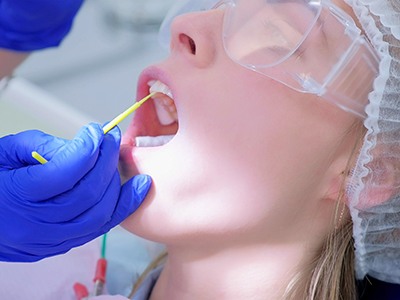
Fluoride penetrates tooth enamel to encourage the formation of calcium phosphate. As a result, it slows decay and prevents further demineralization while also speeding up remineralization to keep teeth strong.
As a natural mineral found in tap water, soil, and various foods, it is commonly used by dentists to combat tooth decay and is safe when administered in proper dosages.
Hydroxyapatite naturally restores teeth by replenishing the mineral needed to keep enamel strong and free of decay. Because it contains the same minerals found within your child’s body, when used, there is no risk of overexposure – a common concern among parents whose children receive fluoride.
Benefits of Hydroxyapatite for Children

At Wellspring Pediatric Dentistry, our safe, nature-based treatments, such as Hydroxyapatite, allow us to treat your whole child. As a functional dental practice that focuses on overall health, not just oral, we believe there are many benefits to choosing this type of fluoride alternative, such as:
- In addition to over-the-counter consumer products, hydroxyapatite can also be used at your child’s dental appointment as an added layer of protection in place of a traditional fluoride treatment.
- Hydroxyapatite contains the foundational blocks of tooth enamel – calcium and phosphate. This means it adheres to the enamel, replacing lost minerals and better protecting teeth against harmful bacteria and acids.
- It is believed that hydroxyapatite reduces tooth sensitivity, allowing your child to enjoy hot and cold foods and beverages again.
- Some studies suggest that hydroxyapatite helps brighten teeth plagued by various stains. Because it sticks to tooth enamel, it can conceal yellow discoloration, making smiles whiter than before.
- Hydroxyapatite is biocompatible and non-toxic, making it a prime treatment option for patients visiting our functional dental practice.
Ozone Therapy

When most people hear the word “ozone” they immediately think of the layer of gas that protects the earth from the sun’s harmful UV radiation. However, in dentistry the term ozone means something completely different. Dental ozone uses a safe gas in the form of a topical oil, gas, or water to protect the teeth and gums from viruses, fungi, and bacteria. It also promotes rapid healing and tooth remineralization, and can even treat decay, sensitive teeth, and disinfect during root canals or pulp therapy treatment. It may also even prevent the need for drilling when treating cavities!
Learn More About Ozone Therapy
The Benefits of Seeing a Pediatric Functional Dentist

Many functional dentists take a conservative approach to oral health care with the goal of minimizing the alteration of existing teeth. This helps preserve their structure, longer.
Functional dentistry takes your child’s whole-body health and medical history into account, helping to educate you and your family about the relationship between the health of your teeth and gums and that of your immune system, digestive system, sleep patterns, and even your cardiovascular health.
Functional dentistry also places a heavy emphasis on using body-safe materials and treatments that are biocompatible and metal-free, making them ideal for patients with certain allergies or sensitivities. Furthermore, the focus on preserving the teeth means functional dental treatments are often much more comfortable, too!
Is My Child a Good Candidate for Pediatric Functional Dentistry?

The great news is that functional dentistry is an excellent choice for any patient, especially those who are focused on overall health and wellness.
Whether your child is dealing with chronic dental problems like gum disease or tooth decay, or you’d simply like to take a minimally invasive, wellness-based approach to their routine checkups and cleanings, a pediatric functional dentist can treat all your concerns, but with a more conservative approach than traditional dentistry.